
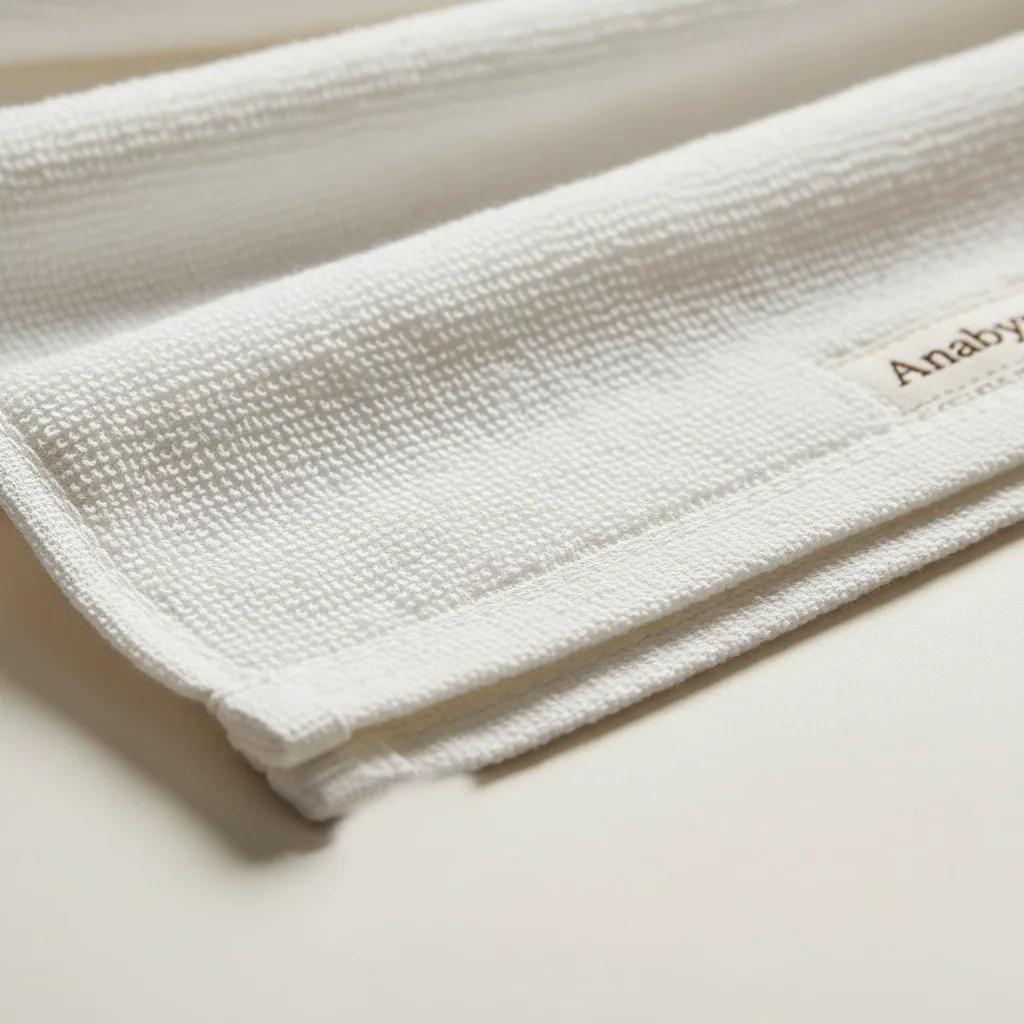
AQL 2.5 Explained for Hotel Linen Buyers
If you have ever read a textile quotation that mentions "AQL 2.5 inspection" and nodded along without being entirely sure what it commits the supplier to, you are not alone. AQL is one of the most cited and least understood terms in textile procurement. This guide explains exactly what AQL 2.5 means, how the inspection works, and how to make it work for you.
What AQL Actually Means
AQL stands for Acceptance Quality Limit. It is the maximum percentage of defective units that a shipment may contain and still be accepted. It does not mean "2.5% of your towels will be faulty" - it is a statistical pass/fail threshold applied to a random sample, not a promise about the whole lot. At AQL 2.5, a shipment is judged against the assumption that no more than 2.5% of units carry a major defect.
The framework comes from the international standard ISO 2859-1 (equivalent to ANSI/ASQ Z1.4). It defines, for any given lot size, how many pieces to inspect and how many defects are allowed before the lot is rejected.
How AQL 2.5 Sampling Works
Inspectors do not check every piece. Instead, the lot size determines a sample size and a pair of accept/reject numbers, using General Inspection Level II. For example, under AQL 2.5 a lot of 501 to 1,200 pieces uses a sample of 80 units, accepted at 5 or fewer major defects and rejected at 6; a lot of 3,201 to 10,000 pieces uses a sample of 200 units, accepted at 10 and rejected at 11.
The inspector pulls units at random from across cartons so the sample fairly represents the whole run. This is why pre-shipment inspection takes hours, not days, even for large orders - and why it is statistically reliable despite not being 100% inspection. You can see the full sampling table on our AQL 2.5 inspection standard page.
Critical, Major, and Minor Defects
Not all defects are weighted equally. AQL inspection grades them. Critical defects render the product unsafe or non-compliant and carry zero tolerance. Major defects are likely to cause product failure or be rejected by the end user - holes, broken stitching, wrong GSM, off-shade colour, missing or wrong labels - and these are counted against the AQL 2.5 limit. Minor defects are small cosmetic issues unlikely to affect use, usually tracked at a more lenient AQL such as 4.0 so a few do not fail an otherwise good lot.
A good supplier publishes a defect classification specific to towels and bed linen, so "major" means the same thing to the factory, the inspector, and you.
Why 2.5 Is the Hospitality Benchmark
AQL 2.5 is the level most global hotel groups and mid-to-premium retailers specify for textiles. It is strict enough to keep guest-facing quality consistent, but practical enough not to inflate unit costs the way an ultra-tight AQL 1.0 would. For premium or luxury programmes, buyers sometimes specify AQL 1.5 on majors; for promotional or low-cost goods, AQL 4.0 may be acceptable.
How to Specify AQL in Your Purchase Order
To make AQL enforceable rather than decorative, write it into the contract. State the AQL level for major and minor defects separately, for example "Major 2.5, Minor 4.0, General Level II". Name who inspects - your own QC, the supplier, or a third-party agency such as SGS, Bureau Veritas, Intertek, or QIMA. Require the inspection report and photos before balance payment or release of the Bill of Lading. And define the remedy if the lot fails: rework, re-inspection at supplier cost, or discount.
At Anabyn, AQL 2.5 is our default final-inspection benchmark for every terry towel and bed linen order, and we welcome buyer-appointed or third-party inspection before loading. See how it fits our full quality and certification process.
FAQ
What does AQL 2.5 mean in simple terms?
It is a pass/fail rule for a shipment. Inspectors check a random sample, not every piece, and the lot passes only if the number of major defects found stays within the AQL 2.5 limit for that sample size - roughly, tolerating no more than 2.5% major-defective units.
How many towels are inspected under AQL 2.5?
It depends on lot size, using ISO 2859-1 Level II. A 1,000-piece order is checked with an 80-unit sample (accept 5, reject 6); a 5,000-piece order with a 200-unit sample (accept 10, reject 11).
Is a lower AQL number stricter?
Yes. AQL 1.0 tolerates fewer defects than AQL 2.5, which tolerates fewer than AQL 4.0. Lower numbers mean tighter quality and usually a higher unit price.
Can I request a third-party inspection at AQL 2.5?
Absolutely. You can appoint SGS, Bureau Veritas, Intertek, or QIMA to inspect to AQL 2.5 or tighter before the goods are loaded. Specify the agency and level in your purchase order.
---
*Want the full sampling plan and defect tables? See our AQL 2.5 towel exporter guide, or read the complete guide to terry towel exports from India.*
Share this article
Want pricing on what you just read?
Leave your work email — our export desk replies with specs, MOQ and a quote within 1 business day.

Author Bio
Dr Abin Babu
Published by the Anabyn Export Intelligence Team - dedicated to providing technical clarity and compliance guidance for global textile procurement.
Ready to Order?
Discuss your technical specifications with our sourcing desk. We provide comprehensive export proposals within 24 hours.
Request an Export QuoteWhere to go next